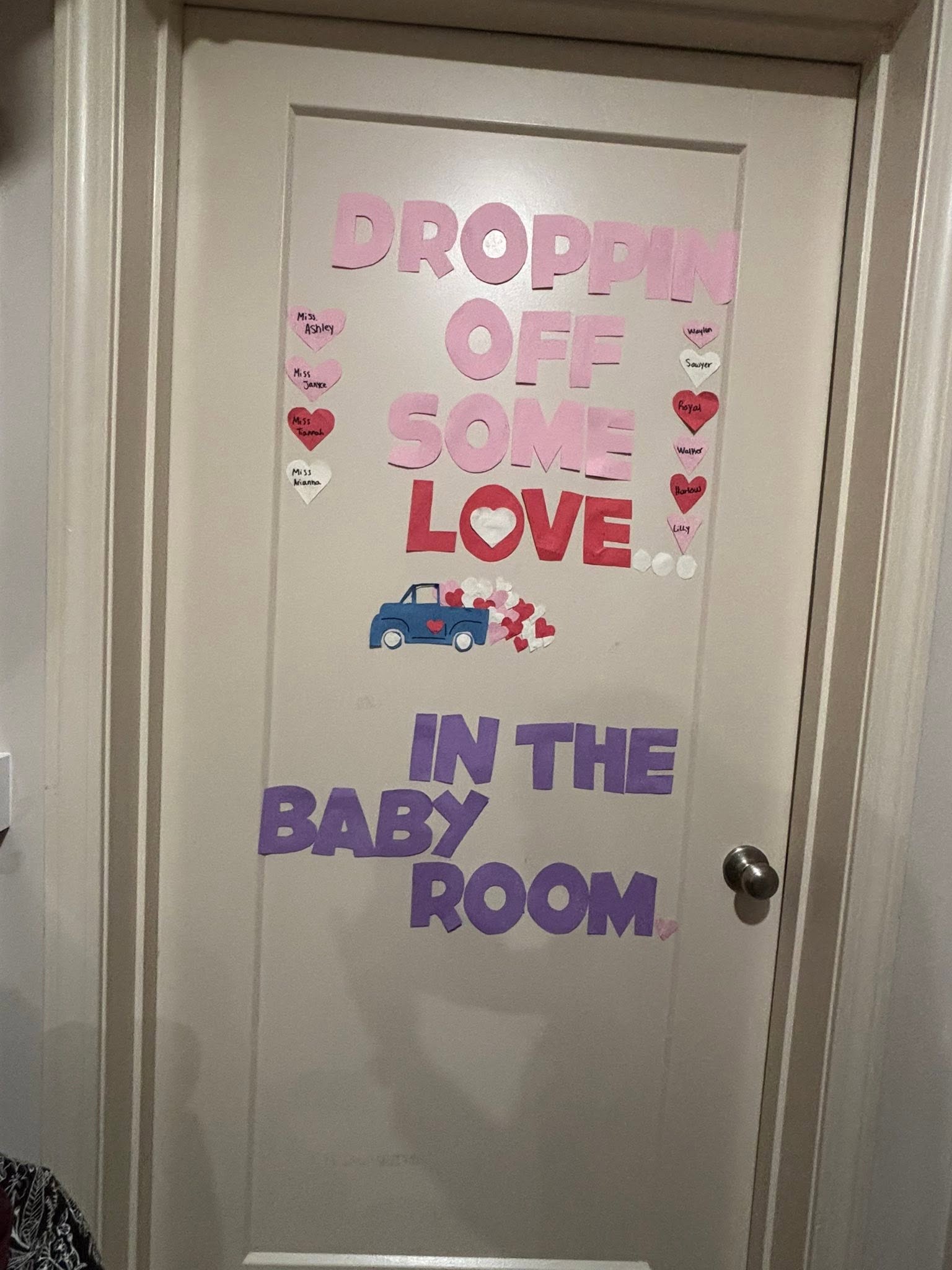
Infant Care
Attentive daycare for babies in Springvale, Maine, with routines shaped around each infant and your family.
Attentive daycare for babies in Springvale, Maine, with routines shaped around each infant and your family.
Infant Care at Learning Ladder Childcare Center covers daytime care for babies in Springvale, Maine, including feeding, naps, diaper changes, floor play, and plenty of one-on-one attention. It is for working parents and guardians who need a calm, trustworthy place for their baby while they are at work or school. To get started, call or send a request through this site and ask about infant openings, tours, and enrollment.
Handing over a baby for the first time is hard. You may be wondering whether anyone will notice the way your child signals hunger, whether naps will go the way they do at home, and how you will hear about the day when you are juggling a commute. Those worries are normal, and they are the right ones to bring to a first conversation. This page explains what infant care involves, how to judge any program, and what to ask before you commit.
Infant care is not a smaller version of preschool. It is built around the basics of a baby's day, done consistently and with warmth. Most families looking for infant care in Springvale are comparing programs on the same handful of things:
Infants do not follow a group schedule, and a good program does not force one. Their day is a loop of eating, playing, resting, and being held. Our approach to learning through play shows up here in simple ways: a rattle to grab, a face to watch, a song during a diaper change.
Tell the caregivers what you have noticed at home: how your baby likes to be fed, what signs show tiredness, and what helps with settling. Share any instructions from your pediatrician, including allergies. The more detail you give at the start, the smoother the first weeks tend to be.
For babies, learning is physical and social. Time on the floor, safe objects to explore, and caregivers who respond to coos and babbles all build the foundation for later milestones. Each baby develops at their own speed, and a good program celebrates small steps without comparing children.
Families sometimes mix up infant care with our other programs. This page covers care for babies. Our Toddler Program is the next step for children who are walking, exploring, and ready for more structured group activities. Preschool Program and Pre-K Prep come later still. Full-Day Care and Part-Time Care describe how many hours your child attends, so ask us how a schedule fits with the infant room. If you are unsure which program suits your child right now, call or send a request and we can talk it through.
The first week or two are as much about you as your baby. Most infants need time to get used to new faces, sounds, and routines, and it is common for parents to feel unsettled too. Ask about visiting beforehand so your baby sees the room and meets caregivers while you are nearby.
Winters in Maine are long and cold, and most families spend more time indoors from late fall through early spring. That makes a few practical things worth asking about: how outdoor time works in cooler weather, what clothing to send, and how the program handles sick-day expectations during cold and flu season. Summer brings its own questions about sun and heat. Good programs talk about these openly so you know what to pack and what to expect.
Whether you are visiting us or another program around Springvale, these questions help you compare fairly:
When you tour, use these practical standards to judge any infant program:
Infant care is typically priced differently from programs for older children because babies need closer attention. When you ask for tuition information, look for a written quote that makes each piece clear. These factors usually shape the total:
A clear quote should spell out what is included, how often you pay, what happens if you change your schedule, and how any increase would be communicated. Call or send a request and we will walk you through how it applies to your family.
Call or send a request through this site. Ask about current infant openings, a visit to the space, and the enrollment steps. Having your preferred start date and days per week ready makes the first conversation easier.
Sooner is generally better, since infant spaces are often limited everywhere. If you are expecting a baby or planning a return to work, it helps to ask well before you need care so you have time to tour and plan.
Full-Day Care and Part-Time Care are both listed programs. Ask how each works for infants and which days are available, since openings can vary.
Cost depends on schedule, days per week, your child's age and room, and any fees or supplies. Ask for the details in writing so you can see what each line covers.
Ask for a current list at your visit. Parents typically pack bottles or food as directed, spare clothing, a comfort item, and any instructions from the pediatrician. Label everything with your child's name.
Ask about updates when you tour. Good programs share feeding, naps, diaper changes, and milestones in a way that is easy to follow, so you are never guessing about your baby's day.
Choosing infant care is a big decision, and you should feel comfortable asking anything. Call or send a request to talk with Learning Ladder Childcare Center about infant care in Springvale, Maine, and to find out about the next step toward enrollment.
Tell us a little about your family and the care you need. We’ll follow up with the next steps for enrollment.