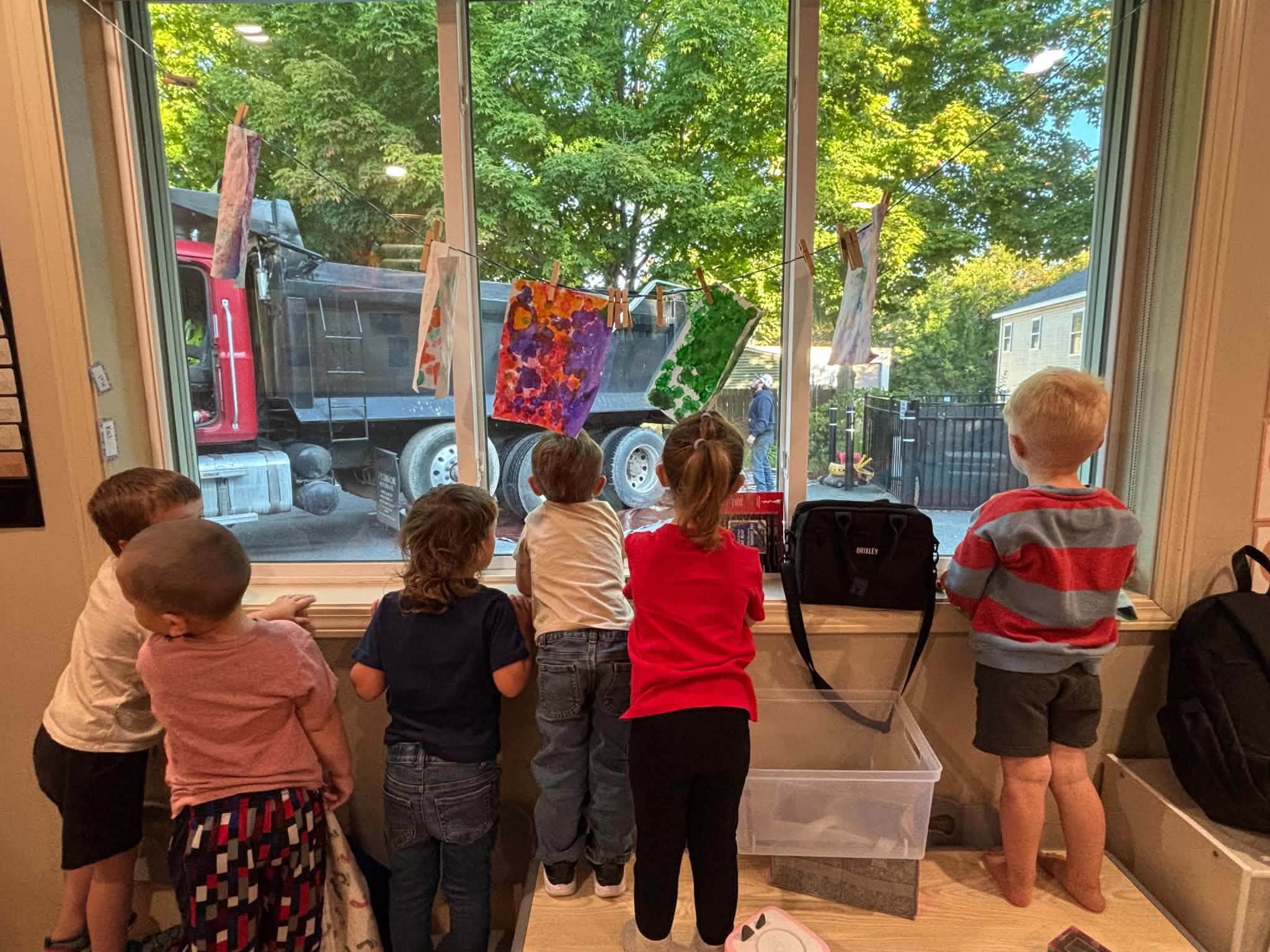
Pre-K Prep
Pre-K Prep helps Springvale children build confidence, routines, and early learning skills before the big step into kindergarten.
Pre-K Prep helps Springvale children build confidence, routines, and early learning skills before the big step into kindergarten.
Pre-K Prep at Learning Ladder Childcare Center is a program for Springvale, Maine children in the year or so before kindergarten. It covers early literacy, counting, social skills, and daily routines, all taught through play. It is for families who want their child to walk into kindergarten feeling capable, and you can get started by calling or sending an enrollment request.
Maybe your child still melts down at drop-off, struggles to share, or cannot yet manage a zipper, a snack, or a bathroom trip alone. Maybe you are wondering whether they will sit through a circle time, follow directions, or make friends in a bigger classroom. These worries are common at this age, and they are easier to work on before kindergarten starts than during the first weeks of it. This page explains what Pre-K Prep involves, how to judge whether a child is ready for it, and what to ask before you choose any program in the area.
Pre-K Prep is the stage where play becomes a little more purposeful. Children still learn by exploring, building, pretending, and moving, but the activities start to lean toward the skills kindergarten teachers look for. The goal is not to push a four- or five-year-old into worksheets. It is to help each child take the next step at their own pace while the foundations get stronger.
This is often the biggest piece. Taking turns, using words when frustrated, listening while others talk, and separating from a parent without a long goodbye all make the first months of kindergarten smoother. Children practice these skills every day with classmates and caring adults, which is something workbooks cannot do.
Hands-on activities build the pre-reading, pre-writing, and early math skills children need next. Typical areas include:
There is no single checklist, and children develop at different speeds. Still, a few signs suggest a child would benefit from a focused prep year:
Most Maine kindergartens expect children to turn five around the start of the school year, so families often begin thinking about prep the year before. If you are unsure where your child stands, talk it through with us. A short conversation about your child's habits and personality tells you a lot.
Parents often ask how Pre-K Prep differs from our Preschool Program. Think of preschool as the broader stage of early learning, with a strong focus on play, language, and getting comfortable away from home. Pre-K Prep is aimed at the oldest group, where the focus shifts toward kindergarten routines, independence, and early academic skills.
This page covers Pre-K Prep only. Infant Care, Toddler Program, and the other options are separate programs. If you are not sure which one fits your child's age and stage, ask us and we will help you sort it out.
Whether you choose us or another program, here are practical standards for judging a pre-K year:
Before enrolling a child in any pre-K program in the Springvale area, ask:
Pre-K Prep pricing depends on your family's situation, so a clear written quote matters more than a rough guess. The main factors usually include:
A good quote spells out what is included, which days and hours it covers, any additional fees, and how changes are handled if your schedule shifts. Ask for these details in writing before you commit, with any provider.
Starting at Learning Ladder Childcare Center is simple, and you do not need to have everything figured out first.
Springvale families often plan around the school calendar, so reaching out early gives you more time to settle on a schedule and a start date.
Many families begin the year before kindergarten, but timing depends on your child's age and comfort with group settings. If kindergarten is on the horizon, a conversation with us is a good first step.
No. Children arrive with different skills, and prep exists to build them gradually. Curiosity and a willingness to try matter more than knowing the alphabet.
It depends on your work schedule, your child's energy, and your goals. We offer both Full-Day Care and Part-Time Care, so ask which setup works for your family.
Cost depends on factors such as the schedule you choose, the number of days, your start date, and any extras. Ask for a written quote that lists what is included.
Regular time with familiar teachers and classmates helps many children become more comfortable being apart from home. Tell us about your child's drop-off habits so we can talk through what to expect.
Most families look ahead in the months before the school year begins, since schedules and openings can fill up. Contacting us early gives you time to ask questions and plan, with no pressure to decide right away.
Tell us a little about your family and the care you need. We’ll follow up with the next steps for enrollment.