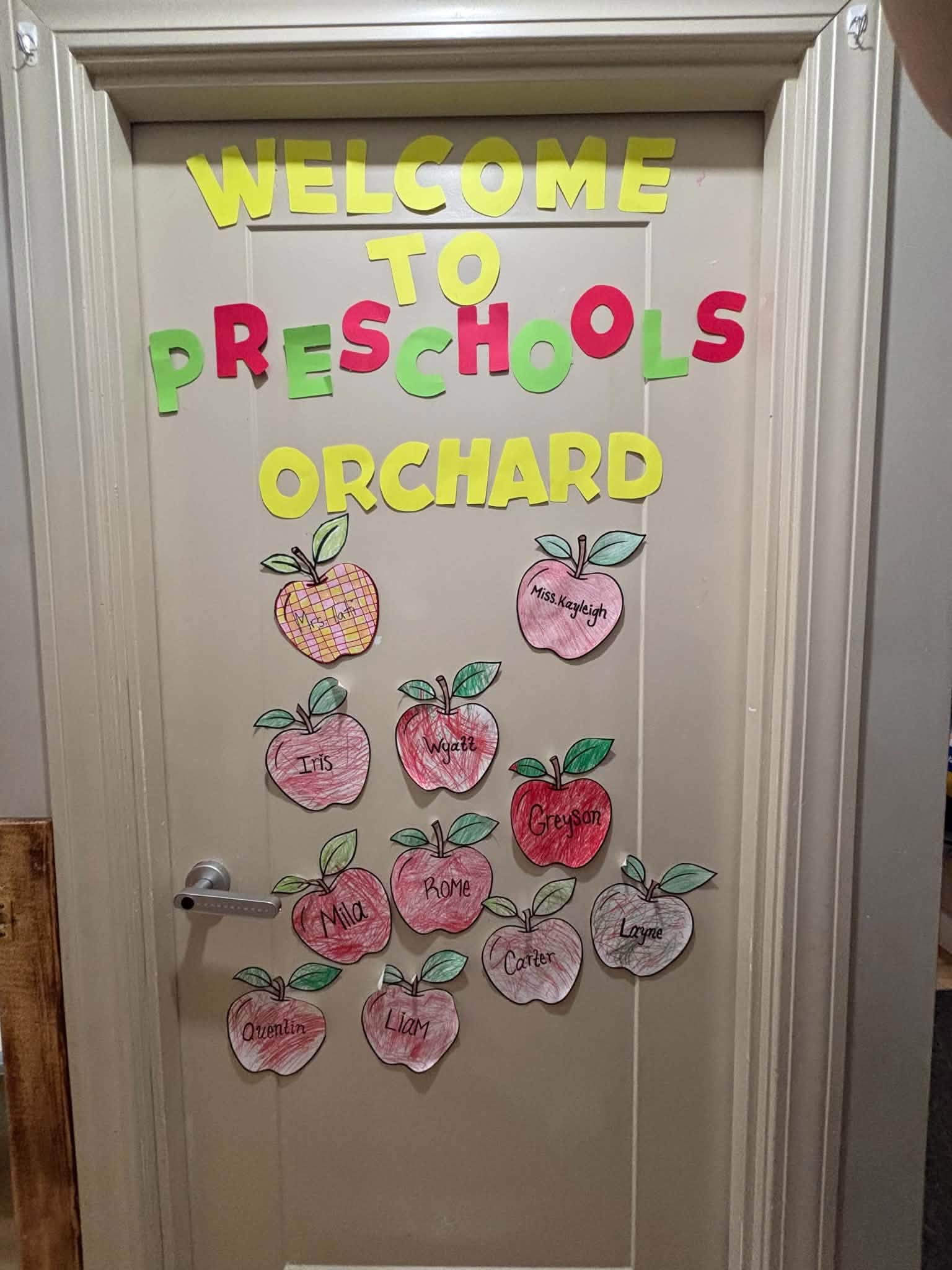
Preschool Program
Play-based preschool learning for Springvale families who want their child confident, curious, and ready for what comes next.
Play-based preschool learning for Springvale families who want their child confident, curious, and ready for what comes next.
The Preschool Program from Learning Ladder Childcare Center in Springvale, Maine, is a play-based early learning program for preschool-age children whose families want more than a place to spend the day. It fits parents who want their child to build social skills, independence, and early learning habits with caring educators. To get started, call or send an enrollment request and we will talk through your child and your family's needs.
Maybe your child is starting to outgrow home routines and needs other kids, new challenges, and a little more structure. Maybe you are wondering whether your child will cope with separating from you, sharing, following directions, or sitting for a story. Those worries are normal. A good preschool helps with all of them, one small step at a time, and it keeps you informed along the way.
Our preschool program is built around the idea that young children learn best through meaningful play, exploration, and hands-on experiences. That does not mean a day with no direction. It means learning is woven into activities children are naturally drawn to, such as building, pretending, drawing, singing, and listening to stories.
We look at the whole child: social, emotional, physical, and academic growth. Every child develops at their own pace, so we offer encouragement and age-appropriate activities that help each one build confidence and new skills without being rushed.
When a child stacks blocks, sorts objects, or acts out a story, they are practicing counting, language, problem solving, and cooperation. Educators guide that play with questions and gentle prompts so the learning sticks.
Preschool is often where children first practice putting away their things, taking turns, washing up, and joining a group activity. Predictable routines help children feel secure, and security makes them more willing to try new things.
This program is meant for families of preschool-age children in Springvale and the surrounding area. It works well for:
Families often ask how a preschool program differs from other options. Here is a simple way to sort it out:
If you are unsure where your child belongs, describe their age, personality, and your schedule, and we can help you find the right fit.
Every classroom is different, but a quality preschool program typically supports these areas:
Whichever program you choose, a few standards help you tell whether children are being served well:
Before you enroll your child anywhere in the Springvale area, ask:
We are happy to talk through all of these. A provider that welcomes your questions is usually a good sign.
Preschool costs are not one-size-fits-all, and a clear written explanation should leave no surprises. The main factors usually include:
A good written quote should spell out the scope (what is covered), how many days and hours it applies to, any extras, and how changes are handled if your schedule shifts. To find out what applies to your family, call or send a request and we will walk you through it.
The first step is simple: reach out and tell us about your child. Share their age, your preferred schedule, and anything you want us to know about their personality, routines, or worries. From there, we can talk about whether the Preschool Program is the right fit and how to move forward with enrollment.
Many parents find it helpful to prepare a few questions in advance and to talk with their child about what preschool will be like. Children often do better when they have heard a little about what to expect.
It is designed for preschool-age children. If your child is close to the cutoff or you are not sure which program fits, contact us and we can talk it through based on your child's development, not just their birthday.
Part-Time Care and Full-Day Care are both part of what we offer. Ask us how your preferred schedule works with the preschool program.
Children rarely arrive fully ready. Preschool is where they learn to separate from family, share, and follow routines. Curiosity and some interest in other children are helpful signs, but patience matters more than a checklist.
It depends on your schedule, the number of days your child attends, any added care you need, and any extras. We can explain how these apply to your family when you reach out.
We work closely with families through open communication, trust, and collaboration. Ask us at enrollment how updates are shared so you know what to expect.
It is best to ask us before the first day, since needs can vary by schedule and age. Many families also find a short talk about the new routine, and a calm goodbye, helps the transition.
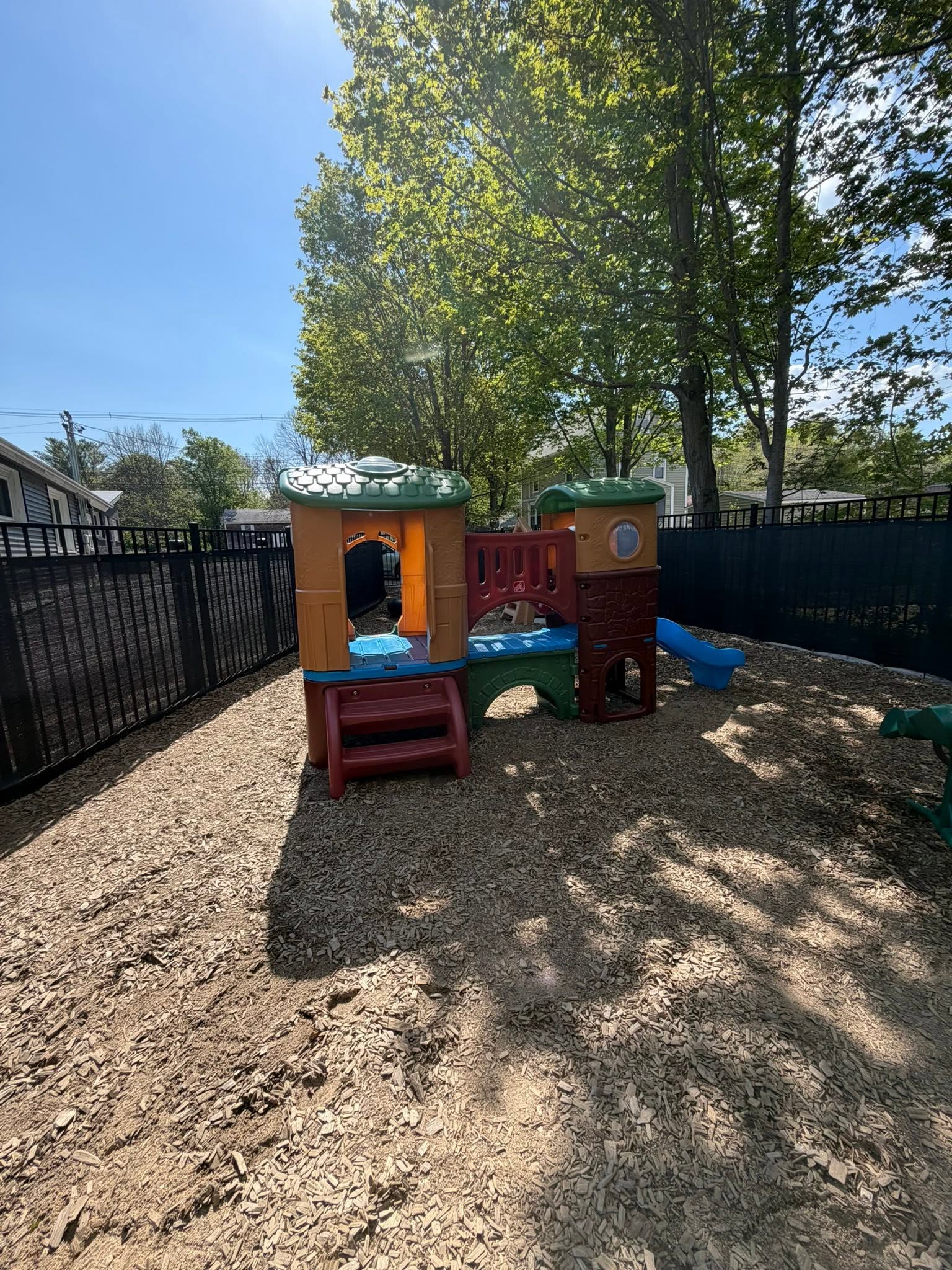
Tell us a little about your family and the care you need. We’ll follow up with the next steps for enrollment.